



-
Films
-
TIFF Sections / Programming DirectorTIFF Sections
Main Sections
TIFF will showcase its selection of films in 11 diverse main sections.
The Competition will showcase feature films that were completed after January 2026. Following a rigorous screening process, fifteen films were chosen from around the world for screening at the festival. This year TIFF received 1,892 entries from 112 countries and regions. The Competition Jury, comprised of international cineastes, will award the prizes to the winners at the Closing Ceremony.
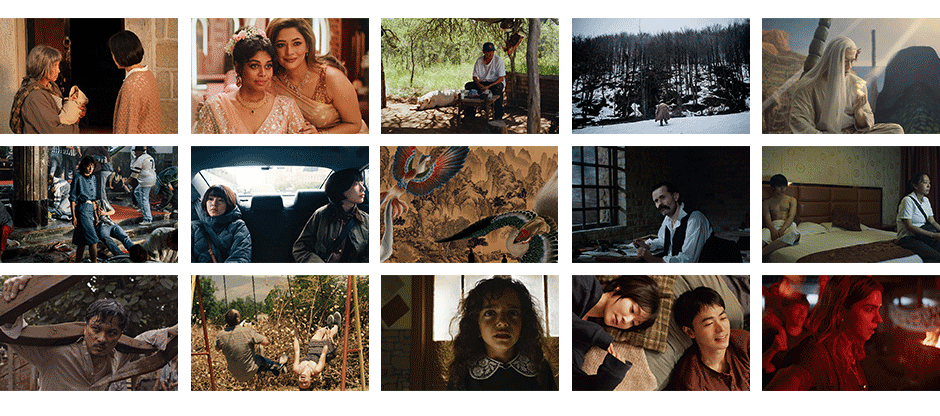
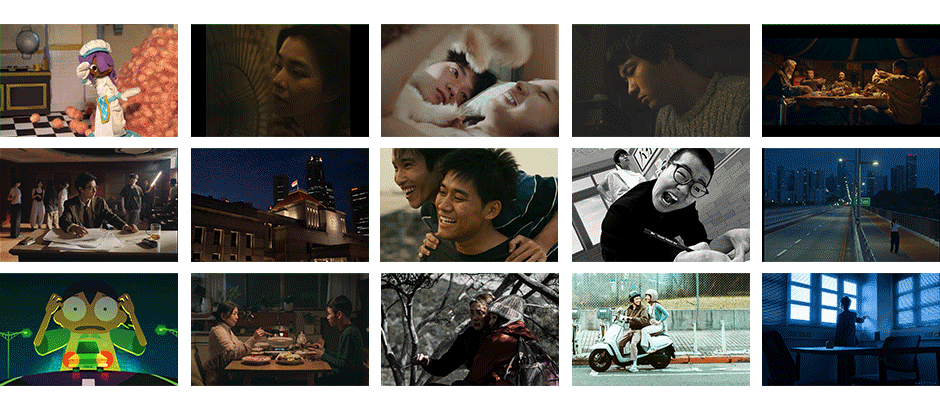
This year marks the eleventh edition of the section since its inception at the 26th Tokyo International Film Festival in 2013. This year, 10 films, including eight world premieres, will compete for the “Asian Future Best Film Award.”
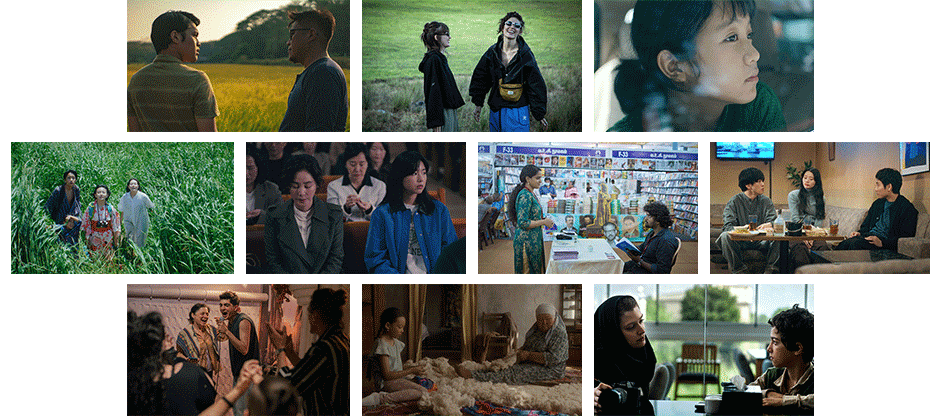
Nippon Cinema Now will select from new Japanese films it deems imperative to introduce to international audiences. We will screen a variety of films, including fresh new films and sincere documentaries. To help Japanese cinema take another leap forward on the global stage, this section will become a competitive category starting this year.
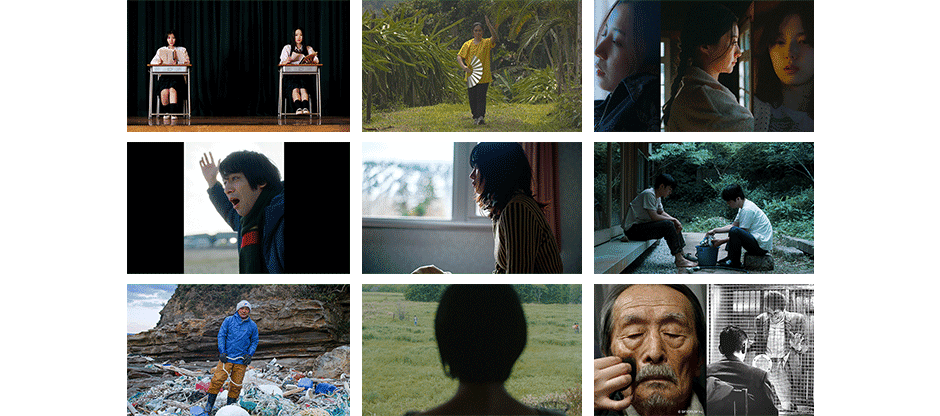
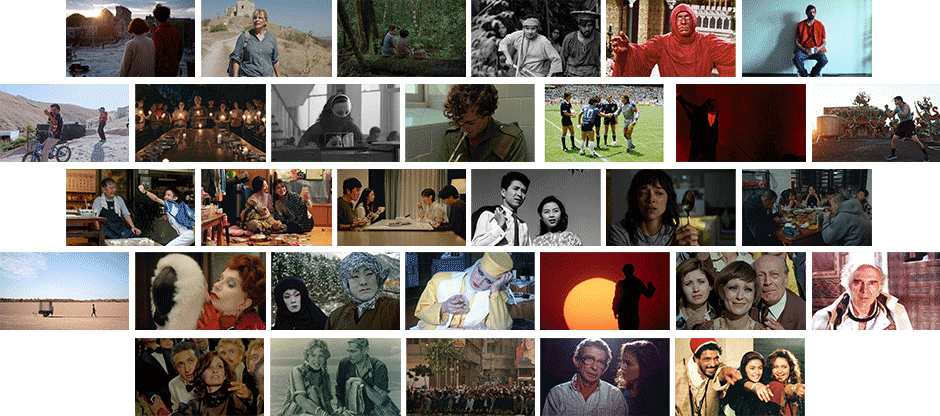
The Gala Selection premieres the latest films ahead of their Japanese release. 19 films (including 5 short films) will be showcased this year to bring additional excitement to the festival. These include much-talked-about films in international film festivals around the world, the latest films from internationally renowned auteurs, and entertainment films that were massive hits in their home countries.
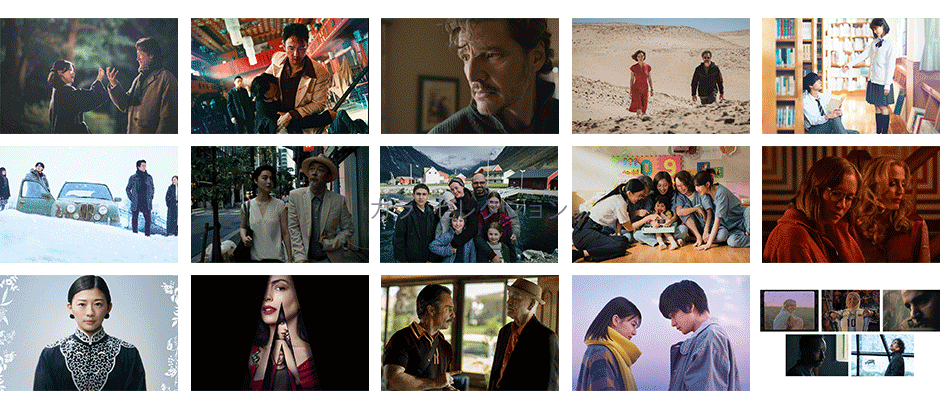
The World Focus Section showcases films that reflect the current trends in world cinema. We will also feature a variety of special screenings, including 23rd Latin Beat Film Festival in TIFF, Taiwan Cinema Renaissance 2026, Australia Spotlight, Tribute to Ulrike Ottinger and Youssef Chahine Centenary Retrospective.
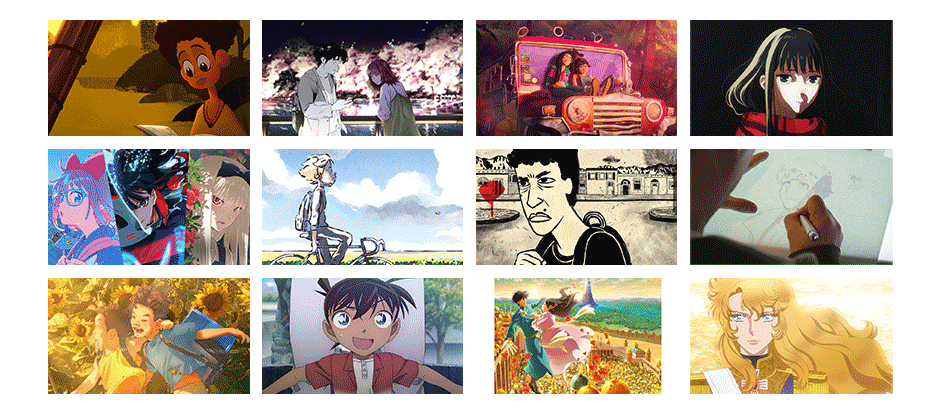
The Animation section will screen 9 films, including the latest Japanese and international titles, as well as documentaries about animation. Additionally, we will screen three popular Japanese films as part of the “Women Directors: Diverse Visions” and host three related symposiums.
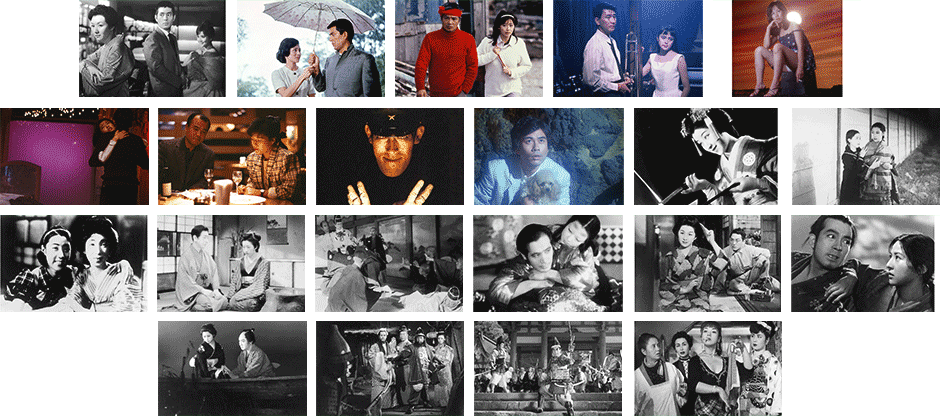
The Japanese Classics section screens classic Japanese film masterpieces. In addition to films by directors Somai Shinji and Naruse Mikio, as well as screenings commemorating the 55th anniversary of Nikkatsu Roman Porno (romantic pornography), this year we will co-host a special retrospective in conjunction with the National Film Archive of Japan to mark the 70th anniversary of the passing of Mizoguchi Kenji, a master filmmaker who shines brilliantly in the history of world cinema.
Through films selected for young audiences, this section offers opportunities to discover cinema for the first time or experience it anew. Celebrating its 10th anniversary, TIFF Teens Meet Cinema will hold a commemorative screening event.
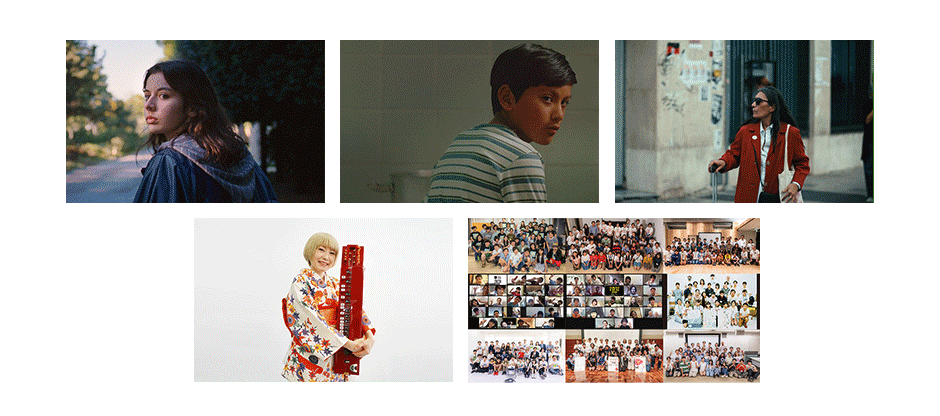
This section explores women’s filmmaking and empowerment. Set primarily in Peru, China, Ukraine, India, Chile, Japan, and the United Kingdom, this year’s films examine how various circumstances shape identities and trajectories, casting shadows over people’s lives while also becoming sources of strength. The talk event “HER GAZE” will feature on cinematographers from Japan and Taiwan.
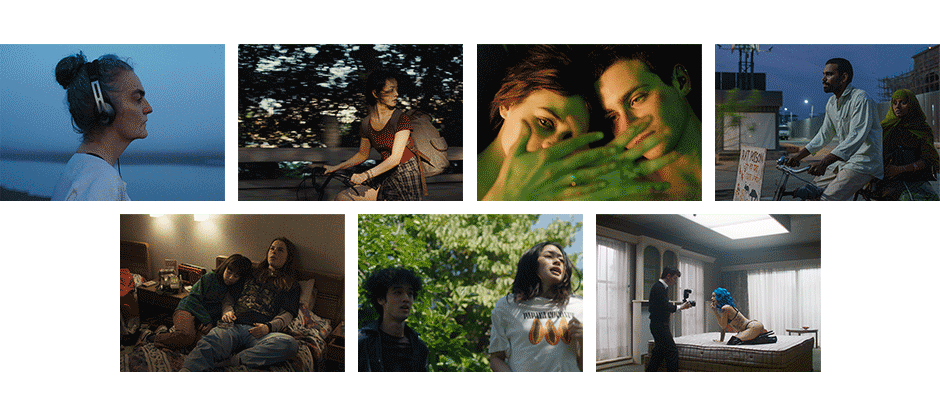
A student film competition of live-action and animated works under 60 minutes, recommended by film schools across Asia. The lineup includes international festival winners.
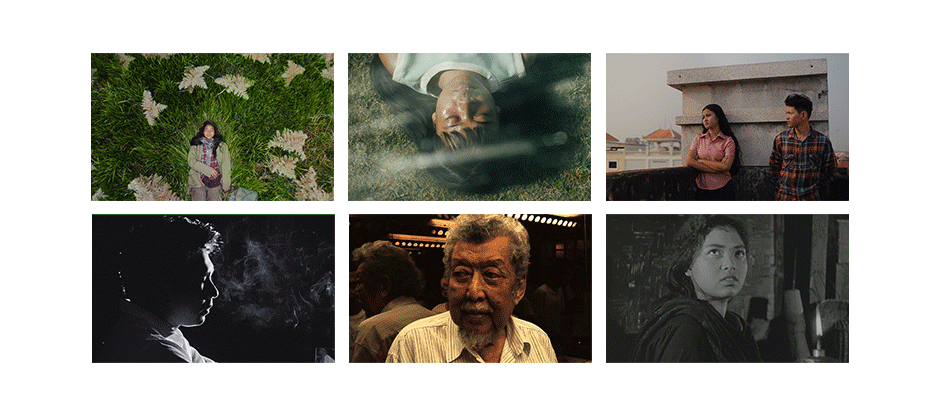
In a joint initiative with the Japan Foundation, TIFF is introducing CROSSCUT ASIA+, a brand-new section highlighting Southeast Asian cinema. CROSSCUT ASIA+ will feature a curated selection of films jointly chosen by vibrant film programmers from both Southeast Asia and Japan, centered around a unique, annual theme from their distinct perspectives.
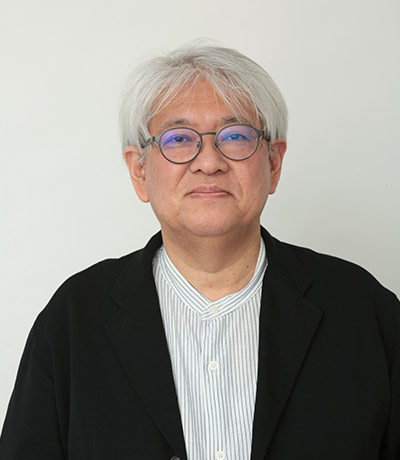
Ichiyama Shozo
As a producer for Shochiku Co., Ltd. and Office Kitano Inc., Ichiyama mainly produced works by the non-Japanese filmmakers. His major films include Hou Hsiao-Hsien's Flowers of Shanghai (1998), Cannes Film Festival Jury Prize-winning director Samira Makhmalbaf's Blackboards (2000), and Cannes Film Festival Best Screenplay winner A Touch of Sin (2013) directed by Jia Zhangke. He was also in charge of selecting films for the Tokyo International Film Festival from 1992 to 1999. In 2000, he launched the Film Festival Tokyo FILMeX and served as the director. Since 2013, he has been a visiting professor at the Tokyo University of the Arts, Graduate School of Film and New Media. He is the recipient of the 2019 Kawakita Award. He was appointed Programming Director of the TIFF in 2021.
Ishizaka Kenji
Ishizaka began critiquing Asian and documentary films after majoring in film studies in Waseda University’s Graduate School. He planned and managed an Asia-Middle East Film Festival Series from 1990 to 2007 for the Japan Foundation. Ishizaka has been serving as Asian Section's Programming Director for TIFF since its 20th edition in 2007. He has been serving as Senior Programmer since 2020. He concurrently holds the position of professor and dean of the Japan Institute of the Moving Image, and visiting professor of the University of Michigan (2024/25). He has written several books, including “Amidst the Ocean of the Documentary,” published by Gendaishokan Co., Ltd.
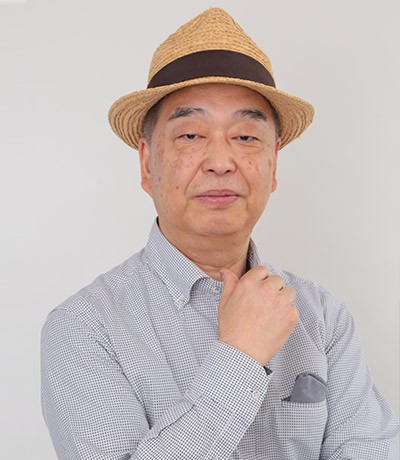
Fujitsu Ryota
Animation critic. Originally a newspaper reporter and weekly magazine editor, Fujitsu started writing about animation in 2000. Fujitsu’s works include books such as "Anime Hyoronka Sengen – Revised Edition" (Chikuma Bunko), "Anime to Senso" (Nihon Hyoronsha), “Tomino Yoshiyuki Ron” (Chikumashobo). He serves as lecturer at Tokyo Polytechnic University.
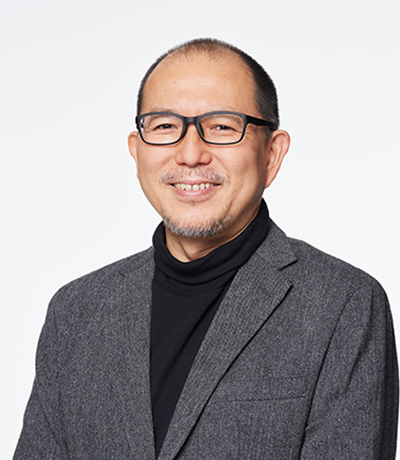
Shimizu Yu
After working at Auditorium Shibuya and then Eurospace, she became in charge of cinema program at the Yebisu International Festival for Art & Alternative Visions in 2017. Since 2022, she has been involved with the International Film Festival Rotterdam, overseeing the experimental film program DINAMO. In 2024, she joined TIFF, and is responsible for non-Asian titles.
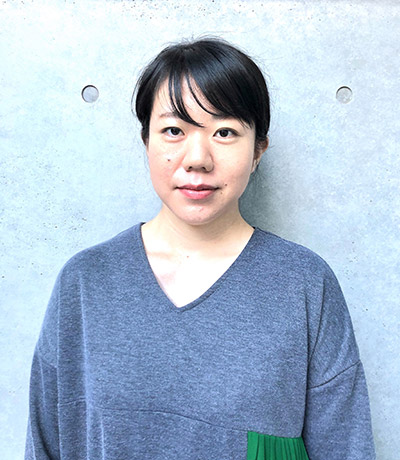
With the support of external experts with a wide range of knowledge, connections, and diverse values, the films to be showcased this year were selected.
Ando Kohei
Emeritus Professor at Waseda University
Kimbara Yuka
Journalist
Sekiguchi Yuko
Journalist